Staring vs Looking: The Science and Substance Behind How We Engage Visually
Staring vs Looking: The Science and Substance Behind How We Engage Visually
In everyday life, the difference between staring and looking appears trivial—two actions almost synonymous at a glance. Yet, beneath the surface, these gestures carry profound distinctions in intent, perception, and psychological impact. While both involve directing visual attention to an object or person, their motivations, behaviors, and consequences diverge sharply.
Staring is an intentional, often charged act—marked by sustained focus, emotional weight, and psychological implication. Looking, by contrast, remains a passive, fleeting exchange: a natural, reactive shift of gaze without deeper engagement. Understanding this nuance transforms how we interpret human interaction, from casual social exchanges to high-stakes professional environments.
Staring is deliberate. It is characterized by prolonged visual fixation, often accompanied by subtle behavioral cues that signal inward focus—intentional, emotionally loaded, and frequently uncomfortable to the subject being observed. When



Related Post

Richmond’s ZIP Codes: A Window into Virginia’s Historic Heartbeat and Modern Identity
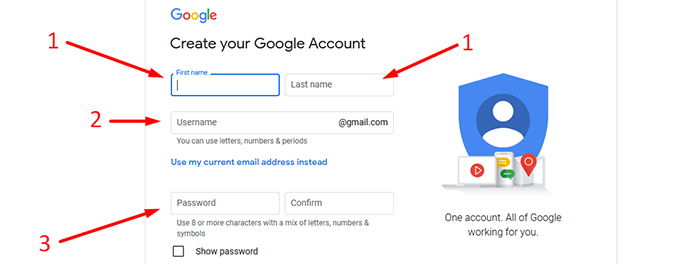
Create a Gmail Account: Your Essential Gateway to Digital Life

Unraveling The Life Of Chyna Tahjere Griffin: Passion Ignites Resilience in the Spotlight

5000 PHP to USD: Unraveling the Real Impact in Philippine Economics