When Was The Simpsons Created? The Iconic Show That Changed TV Forever
When Was The Simpsons Created? The Iconic Show That Changed TV Forever
In a certain quad of suburban Americans, a family of brunts, buffoons, and brunch began a cultural revolution. When Was Simpsons Created? The answer—September 19, 1989—marks the debut of a television phenomenon that has endured five decades, reshaped pop culture, and become a cornerstone of American entertainment.
This sparked a legacy rooted in satire, family dynamics, and tragicomic humor that continues to captivate audiences worldwide. More than just a sitcom, The Simpsons launched an enduring franchise with spinning-offs, movies, merchandise, and a cultural footprint unmatched in TV history. The Show’s genesis traces back to a spark of creative ambition.
Created by animated series producer James L. Brooks, alongside collaborators partners Al Jean and Matt Groening—whose conceptual groundwork was laid during a 1986 meeting that birthed the idea—The Simpsons emerged from a desire to blend sharp satire with everyday storytelling. “We wanted to make a show about a nuclear family that hit all the right notes: the mundane, the absurd, the deeply human,” Groening later recalled.
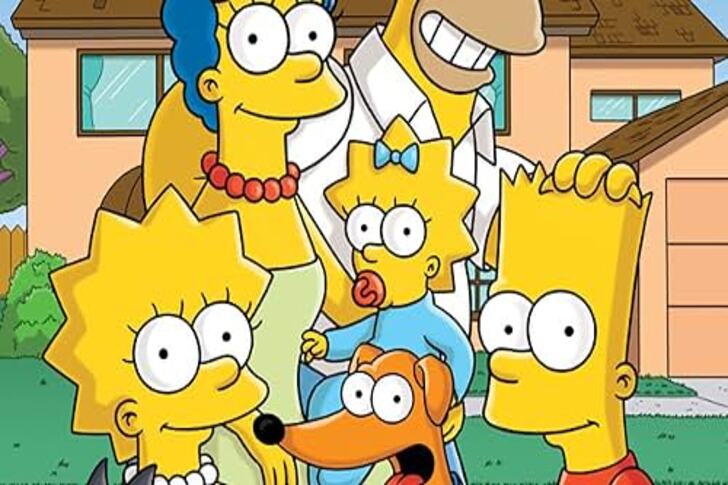
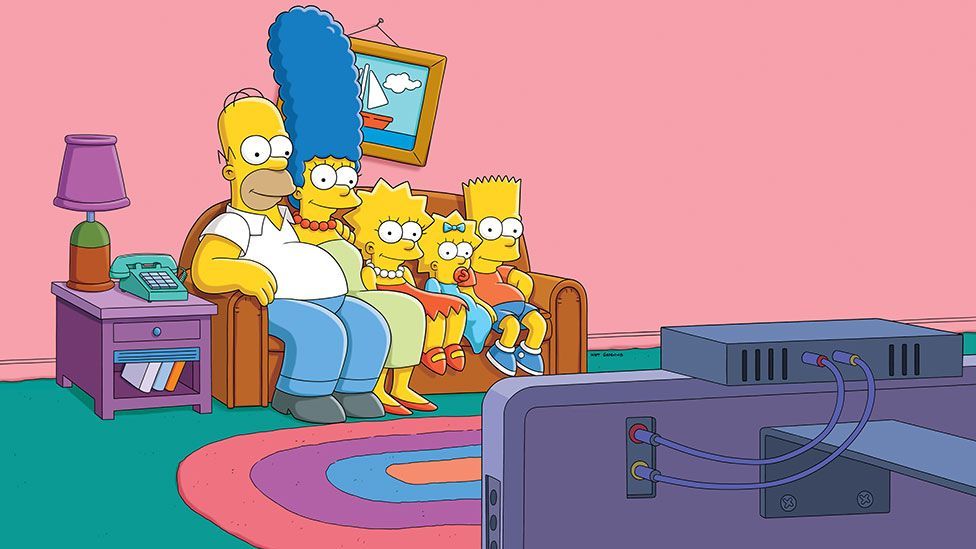
The original pitch was simple but revolutionary: a family centered on Herman Simpson, a blue-collar doughéma, surrounded by his eccentric wife Marge, troublesome son Bart, and a quick-witted babysitter-turned-dad, Lisa—each embodying exaggerated yet relatable traits. When Was Simpsons Created? The official premiere came not in prime time, but at 8 PM on Fox’s Saturday night lineup, just after Al deviation that constrained other shows with rigid formats.
The pilot episode, “Simpsons Roasting on an Open Fire,” introduced audiences to a marriage of humor and pathos, opening with a family dinner that spiraled into chaos, already showcasing the show’s signature tone—equal parts hilarious and heartfelt. Early networks were skeptical, with executives doubting a show with no PG-13 rating (the characters’ crude jokes and social commentary walked a fine line), but Fox stood by the project. By the end of its first season, The Simpsons had already demonstrated it could attract viewers beyond the expected target demographic, proving its broad appeal.
The show’s success unfolded in stages. Seasons unfolded consistently for over 35 years, a rare feat in television that redefined production models. This longevity was anchored in a treasury of creative depth—each episode packed wit, cultural references, and layered storytelling.
From Bart’s anarchic pranks to Lisa’s intellectual fervor, from Ned Flanders’ pious commentary to Moe Szyslak’s sad barbershop quartet, every character evolved with surprising consistency. By 1990, the franchise exploded beyond TV screens: the first feature film,
The Simpsons Movie>, hinted at impending cinematic adventures, though long-gestating budgets and narrative challenges delayed release until 2007. Behind every laugh and cultural moment lies meticulous craft.
The writers’ room operated like a hive—collaborative, fast-paced, and unafraid to tackle weighty themes. “Homer drinking beer? Marge smoking a cigar?
It’s not just funny—it’s a mirror,” Groening noted. Episodes consistently paired slapstick with sharp social critique: critiques of consumerism, corporate greed, environmental neglect, and political hypocrisy. The Simpsons didn’t shy from satire of power, faith, and everyday absurdities, making it both accessible and enduring.
Economically, The Simpsons transformed animation. It proved that animated series could sustain long runs with consistent quality, opening doors for adult animated genres. Mercedes-Benz, AFLAC, and countless other brands embraced the show’s reach, with Lisa Simpson’s glasses becoming a symbol of intellectual trust.
The brand now spans comic books, video games, theme park rides, and international merchandise valued in billions, cementing its place as a multimedia juggernaut. Culturally, The Simpsons left an indelible imprint. Phrases like “D’oh!” and “Bart’s singing ‘Last Apocalypse’” entered the lexicon.
The show normalized animation as a vehicle for complex narratives, influencing shows from
Family Guy> to Archer> and challenging perceptions of what family-centered storytelling could achieve. Its archival reach is staggering: episodes preserved in institutions like the Library of Congress, studies analyzing its role in American education, and annual Simpsons-themed conventions drawing thousands of devoted fans. In an era defined by fleeting trends, The Simpsons proves resilience through reinvention.
The 2023 premiere of its 35th season, despite skepticism, demonstrated enduring relevance—characters aged not diminished, but deepened. Meanwhile, podcasts, memes, and academic symposiums keep discussions alive. This longevity isn’t accidental: it’s the result of a vision that embraced change without losing core identity.
For fans and scholars alike, when was The Simpsons Created? Not just a date, but a cultural milestone—one that began with a brushstroke on a concept board in 1989 and evolved into a global narrative force. Through sharp writing, memorable characters, and fearless humor, The Simpsons didn’t just entertain—it captured the complexities of family, society, and the human spirit, proving that even a


Related Post

Top Shindo Life Bloodline Combos For Domination: Mastering Power, Lineage & Strategic Fusion
The Unseen Power of Human Connection: Why a Simple Hi-5 Transforms Interactions

Yellowstone’s Highways Are Closed: Major Road Restrictions Sed Ire Travelers This Season


